Olga Olefirova: "Today, the majority of people in EU countries clearly understand why Ukraine is fighting for its freedom and independence and recognize that Ukraine’s place is in the European Union"
2/12/202611 min read
Behind the HUB is an interview series that explores the people and ideas behind the Professional Integration HUB — a program initiated and funded by ERSTE Foundation and implemented by the European Centre for Freedom and Independence.
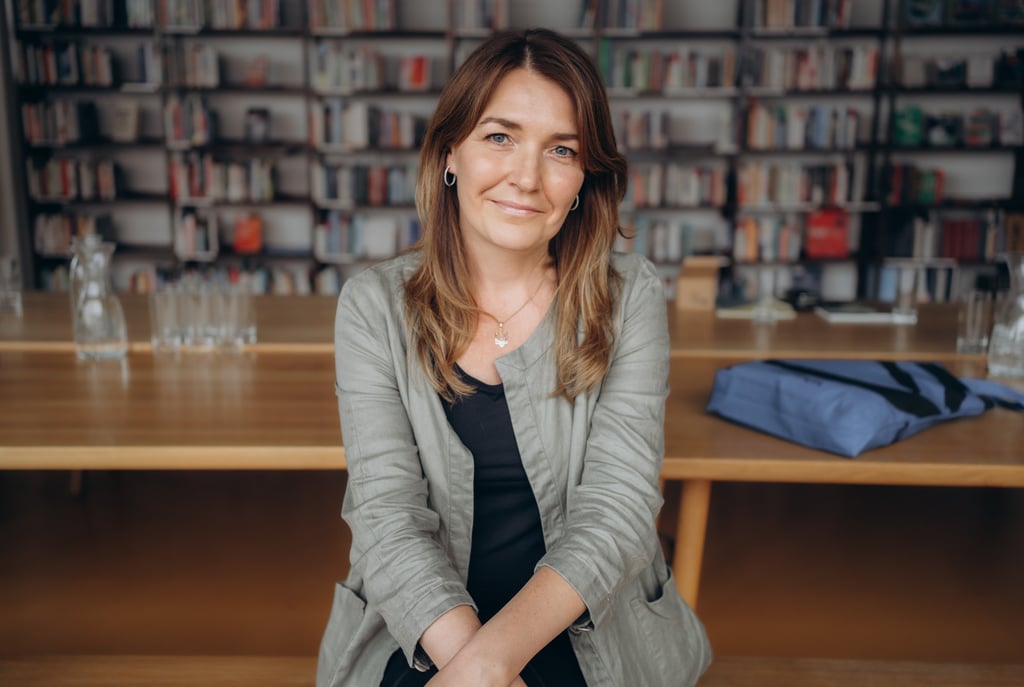
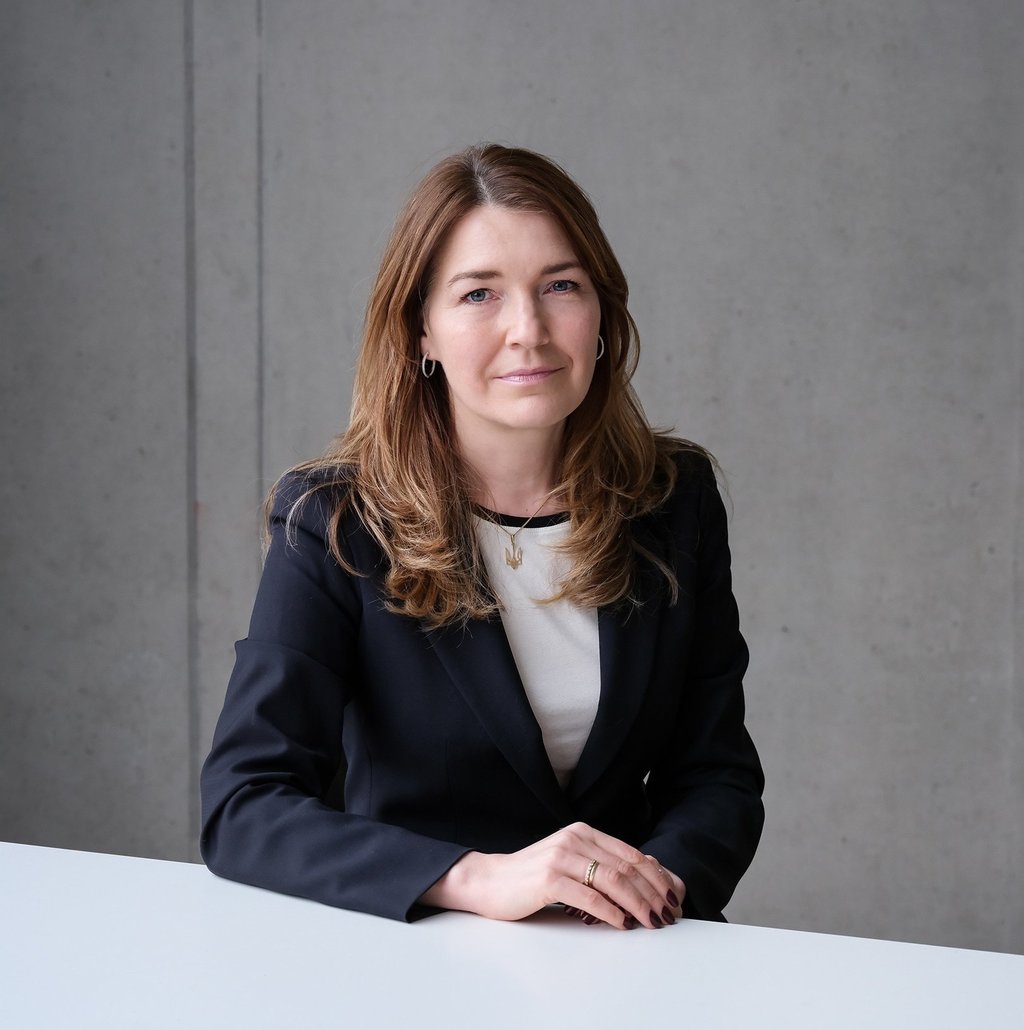
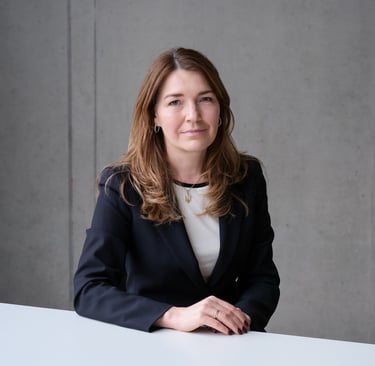
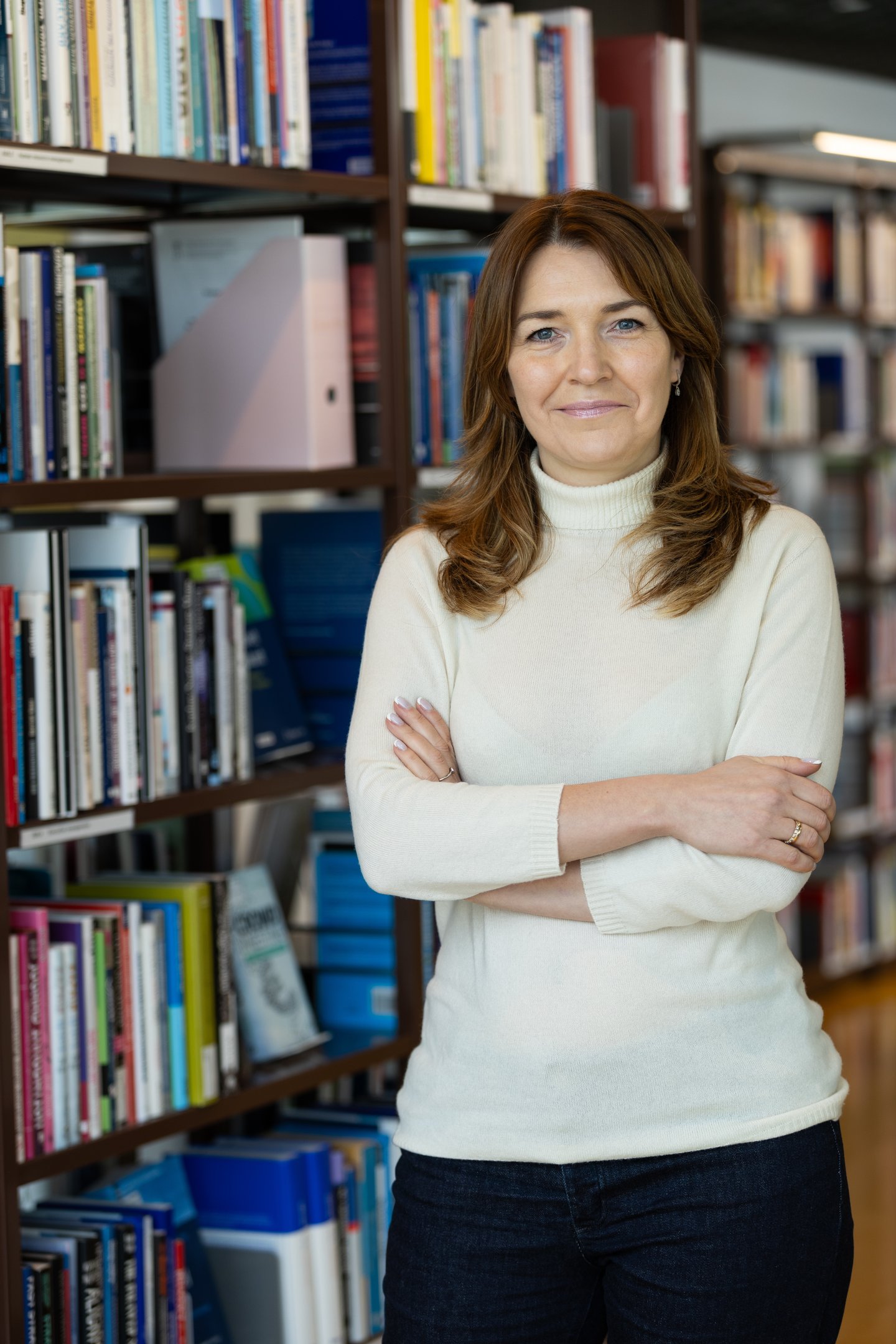
In this conversation, we speak with Olga Olefirova, Co-Founder of the European Centre for Freedom and Independence, where she manages projects aimed at strengthening EU–Ukraine cooperation and building partnerships with Austrian and European institutions, and Program Manager of the Professional Integration HUB.
In the interview, Olga reflects on what enables systemic change — and what holds it back — drawing on her long-term experience in reforms, policy implementation, and institutional cooperation. She speaks about the role of trust and communication in transformation processes, about working for Ukraine while living abroad, and about preserving human capital as a strategic priority during wartime.
Olga also shares how the Professional Integration HUB emerged as a response to the loss of highly qualified Ukrainian professionals, how partnerships with Austrian institutions were built from scratch, and how the program evolved from an emergency response into a sustainable platform influencing professional integration and perceptions of Ukraine in Europe.
Intro
Based in Vienna for over 15 years
Position: Co-founder of the European Centre for Freedom and Independence; Project Manager of the Professional Integration HUB
Education: Master’s degree in International Business Administration and a Master’s degree in Law. Advanced professional training with the Florence School of Regulation and the London School of Economics and Political Science
Previous experience: expert in regulatory and institutional development, with over 20 years of experience working with international organisations, public authorities, businesses, and NGOs. Her professional focus is on implementing reforms and advancing European integration. She has been involved in Ukraine’s reform processes, with a particular focus on alignment with the EU acquis. Her career reflects a strong commitment to European values, institutional development, and practical policy implementation.
Professional Background and Strategic Response to New Realities
You have been working on reforms in Ukraine for more than 20 years. What is the key lesson you’ve learned from this experience — what enables systemic change, and what tends to hold it back?
From my experience, the successful implementation of reforms is possible only through a comprehensive approach and close cooperation between the state, subject matter experts, businesses, and civil society. High-quality and consistent communication with citizens plays a key role in this process; open dialogue and trust between the state and society are fundamental for the success of any reform.
Currently, most reforms in Ukraine aim to fulfill commitments within the framework of European integration and to establish transparent and predictable rules. At the same time, a lack of clear communication and the spread of disinformation often lead to public resistance, especially when reforms address sensitive issues such as tariffs or healthcare.
"Thus, the success of any reform hinges on unimpeded and transparent communications."
You have lived in Vienna for many years but remain deeply involved in Ukraine’s development. What is it like to work for Ukraine while living outside of it?
I came to Austria to study, but for many years, I remained actively engaged in Ukraine professionally. Everything changed with the start of the full-scale invasion. Today, although I am rarely in Ukraine physically, all my projects remain closely connected to it.
"Maintaining a strong link with Ukraine and contributing to its future is extremely important to me. I don’t exclude the possibility of returning after the war and playing an active role in its recovery."
You are the Program Manager of the Professional Integration HUB, implemented in partnership with ERSTE Foundation. How did the idea emerge to create a program aimed at the professional integration of Ukrainians in Austria?
At the beginning of the full-scale invasion, like most Ukrainians who were already living in Austria, I devoted all my time to supporting Ukrainian refugees — helping them find housing, complete documentation, and other integration processes. I also assisted our military, from purchasing bulletproof vests to providing medical supplies.
Once the situation had somewhat stabilized, the question arose: how could I continue helping Ukraine from where I am now? As is well known, the majority of refugees are Ukrainian women, many of whom are highly qualified professionals eager to work. However, integrating into a foreign country without knowing the language and under conditions of stress and trauma was extremely challenging.
"I realized that Ukraine was losing valuable human capital, which would be very difficult to recover."
Together with my colleague Olena Bekreniova, who also arrived in Austria after the full-scale invasion and with whom I had previously collaborated in Ukraine, we decided to establish an NGO European Centre for Freedom and Independence aimed at supporting Ukraine. We designed several programs for the professional support and development of Ukrainian women in Austria and began presenting them to potential donors, including ERSTE Foundation.
At that time, ERSTE Foundation was already actively providing significant support to Ukrainian refugees in Austria. In particular, they were addressing the professional integration of Ukrainian refugees and were seeking an organization to implement this initiative. Our goals aligned, and ERSTE Foundation invited us to partner in implementing the Professional Integration HUB program.
Cooperation with Austrian Institutions and Changing Perceptions of Ukrainians in Europe
Becoming an implementing partner of ERSTE Foundation is a significant achievement, especially for a newly established organisation. How did you manage to build a partnership with an institution of such international calibre?
Becoming a partner of ERSTE Foundation was a truly significant achievement for our newly established organization. We had a clear understanding of the needs of highly qualified Ukrainian women in Austria and concrete ideas for supporting their professional development. Additionally, thanks to our previous experience, we already had established contacts within Austrian institutions and organizations. I believe that our transparent communication, clear objectives, and professional experience helped ERSTE Foundation recognize that we are a reliable partner.


After three rounds of the program, where do you see its strongest impact — in individual career stories, in partnerships built, or in shaping Ukraine’s image in Europe?
The program has had an impact in all aforementioned areas. For some women, it was their first step into the Austrian labor market. For many, it brought confidence, motivation, and belief in themselves. Some program participants continued working at their internship sites, others found employment as a result of the program, and some, after completing it, gained new knowledge and experience, restoring confidence in their abilities.
In addition, we have created and continue to develop a community of professional women in Austria, bringing together people who share the same values and goals, fostering support and sharing their experience.
"We have been extremely impressed by the openness of Austrian institutions and organizations."
Initially, convincing host institutions to participate in the program and arrange internships was very challenging. However, by the second round, some organizations were approaching us, expressing interest in joining. We are especially proud of our collaboration with Austrian ministries: five ministries participated in the program, providing nine internship positions. We were often asked how we managed to organize internships in ministries, as not all Austrian citizens have this opportunity. This was a significant achievement for us and a sign of trust in Ukrainians and support for Ukraine.
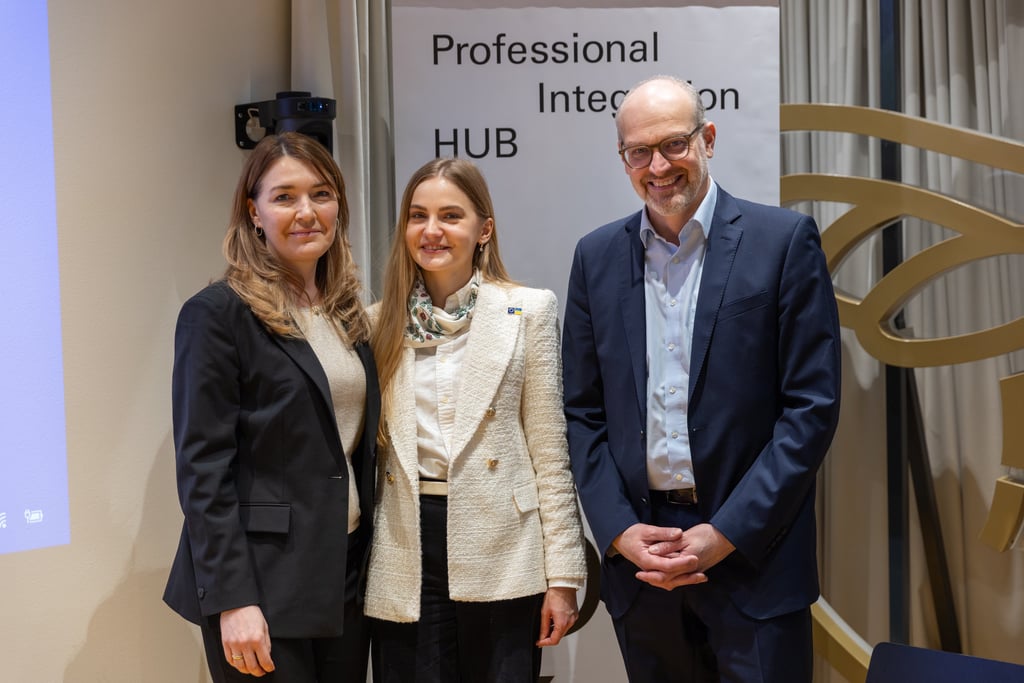
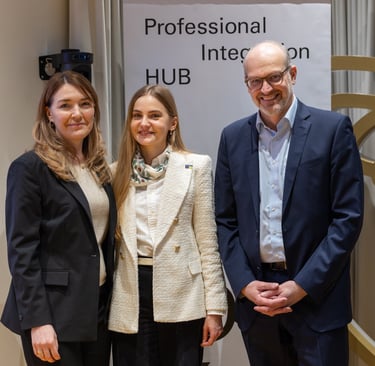
We continue to collaborate with many partners of the Professional Integration HUB on other projects and initiatives.
The program has also had a substantial impact on perceptions of Ukraine. Before the full-scale invasion, few in Austria were familiar with our country. Through the program, highly qualified Ukrainian professionals became visible. Austrian institutions and organizations not only shared their experience with participants but were also impressed by their high level of professionalism.
"Many host partners expressed gratitude for the knowledge, experience, and professional support the participants provided, including contributions to the development of Austrian-Ukrainian relations."
Interest in our professionals is further showcased by the fact that four participants had their internships at ministries extended beyond the program, some organizations offered permanent positions to their interns, and others continued collaboration through other projects. Professional integration is an extremely important component of Ukraine’s European integration.
You were there from the very start of the program and have witnessed its development from within. What has changed since the launch — in approaches, priorities, formats, or partner expectations?
The program was created as an immediate support tool for highly qualified Ukrainian women who arrived in Austria as a result of the full-scale invasion. Clearly, finding employment without knowing the local language, lacking professional experience in the host country, and facing high levels of stress and trauma is extremely difficult, and sometimes nearly impossible.
For this reason, the program applied relaxed requirements for candidates. For example, during the first round, knowledge of German was not mandatory. With the agreement of the Austrian host organizations, English was used as the working language for the internships. The only exception was the Federal Ministry of Education of Austria, where internships required a C1 level of German.
In the second and third rounds, language requirements were significantly increased: most organizations expected candidates to have at least a B1 level of German.
At the initial stage of the program, engaging Austrian organizations was a significant challenge. Many were skeptical and viewed the internships solely as opportunities for students. However, after direct collaboration with the participants, the attitude of host organizations changed profoundly.
"Organizations recognized the mutual benefit: participants not only learned but also actively shared their professional experience, which proved extremely valuable to their Austrian colleagues."
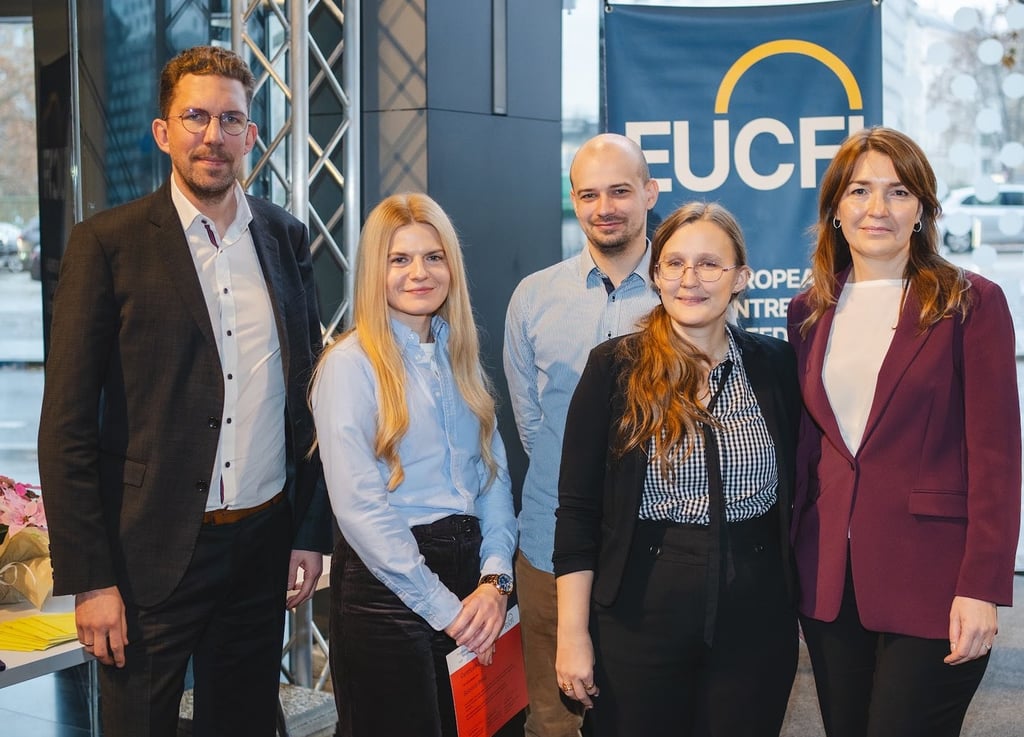
As a result, after the first round, finding host organizations was no longer a major challenge. Some organizations participated in the program again, while others joined based on recommendations from partner institutions. In this way, the perception of host organizations toward the program underwent a significant and positive transformation.
At the same time, the pool of host organizations expanded, and the number of positions in government institutions increased. Out of 43 internship positions, nine were offered within five Austrian ministries, demonstrating a high level of trust in the program and its participants.
Can you recall the first positive feedback from a hosting organisation? Which institution was the first to support the project?
The first organization to support our project was the Federal Ministry of Housing, Arts, Culture, Media, and Sports of Austria. This was both a great surprise and a source of special pride for us. The ministry’s participation in the program was an important signal of trust and significantly helped in engaging other organizations.
Following a successful collaboration during the first round of the program, the Ministry extended the contract of our participant for an additional six months. For this reason, it did not participate in the second round. However, in the third round, the Ministry returned to the program and once again offered to extend the participant’s contract after the internship concluded.
"This development of our cooperation is the best confirmation of the program’s success and practical value."
We are genuinely pleased with the results of our collaboration with Austrian organizations and government institutions, and especially proud to receive exclusively positive feedback from our partners.
Next Phase of the HUB
We know that the HUB is now entering a new phase, with an updated format and focus. From your perspective, how do you see this transformation — as an adaptation to new realities or as a natural next step in the program’s evolution?
We view the transformation of the HUB as both an adaptation to new realities and a natural next stage in the program’s development. On one hand, the context and the needs of participants are changing, requiring more flexible formats and new areas of focus. On the other hand, the HUB is evolving logically, building on the experience, partnerships, and successful practices of previous phases.
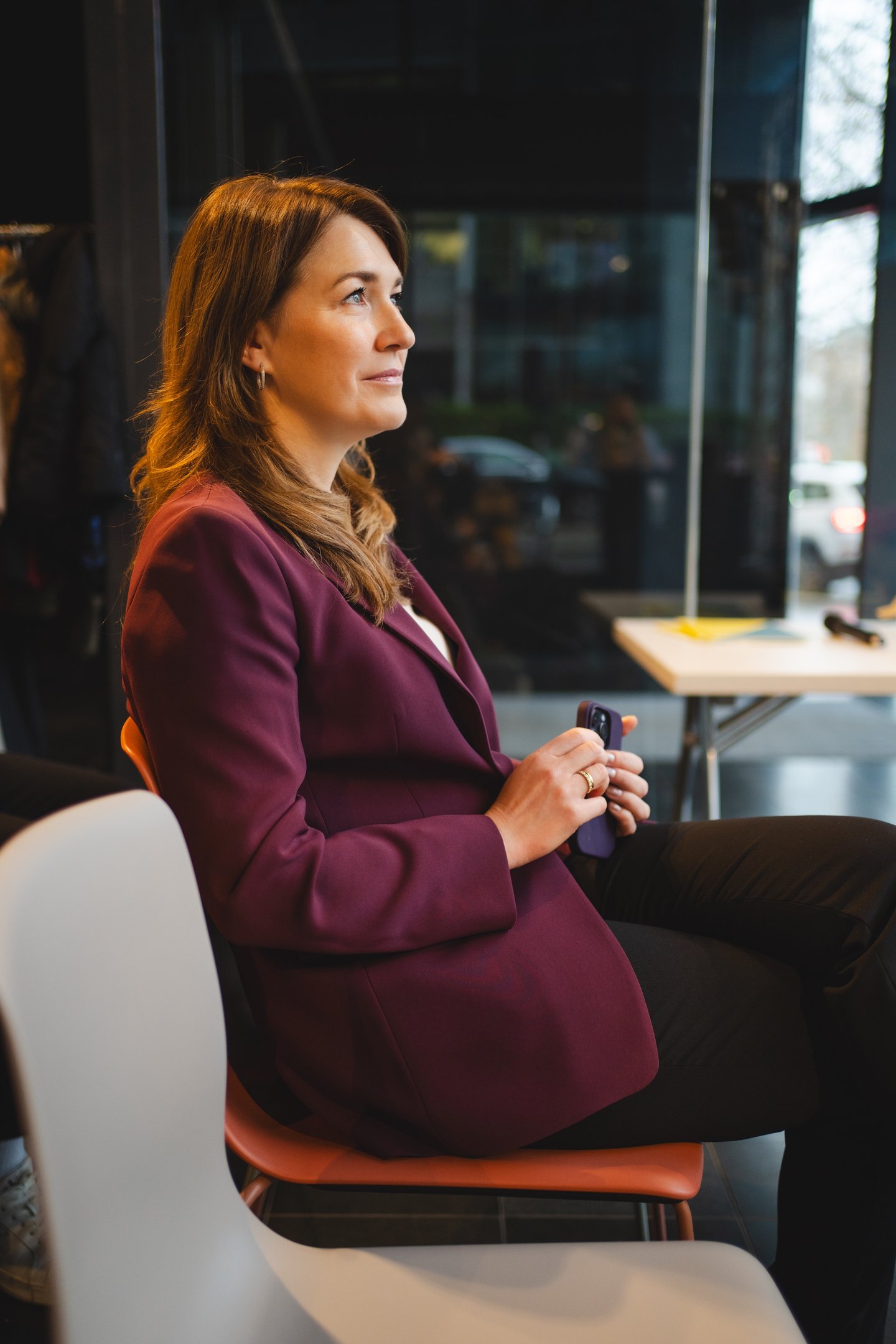
How do you envision the future of the HUB — as a series of targeted initiatives addressing specific challenges, or as an established system capable of influencing broader integration policy for Ukrainians in the EU?
We see the future of the HUB not just as a set of targeted initiatives addressing specific challenges, but as a more sustainable system capable of influencing the broader integration of Ukrainians into the EU. The HUB is gradually taking shape as a platform that combines practical support, institutional cooperation, and knowledge transfer between Ukraine and EU countries, contributing to European integration processes at the policy, practice, and human capital levels.
Do you believe that the presence of Ukrainians in EU countries is important for Ukraine itself? If so, what advantages does it bring?
Before the full-scale invasion, many people in EU countries did not clearly distinguish between Ukraine and russia. Even educated individuals often asked why Ukraine was so determined to defend its independence, saying, “we have always been together.”
Millions of Ukrainians were forced to leave the country due to the war, including a significant number of highly qualified professionals. This is undoubtedly a major loss for Ukraine.
On the other hand, the presence of Ukrainians in EU countries has had a positive impact on our country. They have become the voice of Ukraine abroad and its representatives in the realm of “soft diplomacy.”
"For example, thanks to our programs in Austria, perceptions of Ukraine are gradually changing: we are increasingly seen as a nation of highly skilled and proactive professionals, ready to cooperate."
Ukrainians are extremely creative and active people. Many establish NGOs and communities to promote Ukrainian interests and share information about the country. They organize a variety of events — from political to cultural — often in partnership with European organizations. Moreover, their influence is also felt on an individual level: Ukrainians share information through daily interactions with neighbors, doctors, teachers, and others.
"Today, the majority of people in EU countries clearly understand why Ukraine is fighting for its freedom and independence and recognize that Ukraine’s place is in the European Union."
Personal Reflections
You actively support Ukrainians abroad and volunteer for the Armed Forces of Ukraine. How do you personally sustain motivation and faith in the power of individual action?
I think this is more about responsibility and love for Ukraine. Even the smallest action can make a big difference.
How do you find balance between professional responsibilities, volunteering, and personal life?
We are living in challenging times. I believe that most people who genuinely feel responsible for Ukraine and care about its future, regardless of where they are, simply cannot think about balance today.
What does “integration” mean to you personally? At what point can a person say they have truly integrated into a new society?
For me, integration is primarily about comfort. It’s when I feel confident and at ease in the country where I live, can realize my potential, and be part of the society.
You’ve been living in Vienna for over 15 years. If you were to rate your integration on a scale from 1 to 10, what score would you give yourself — and why?
Fifteen years… I have spent most of this time living between two countries — Austria and Ukraine. I would rate my level of integration at 9. Why? Because there is always room for improvement. :)
Is there a quote or guiding principle that accompanies you in your work with people and projects?
Mutual respect is the foundation of any collaboration. With people you value, nothing is impossible.
What does the Professional Integration HUB mean to you personally?
Three years of my life, filled with people, new knowledge, and invaluable experience. It’s a space where I grow alongside the team and participants, and where every day brings the opportunity to do something meaningful for others.
Read also:
info@eucfi.org
+43 660 9604942


The European Centre for Freedom and Independence