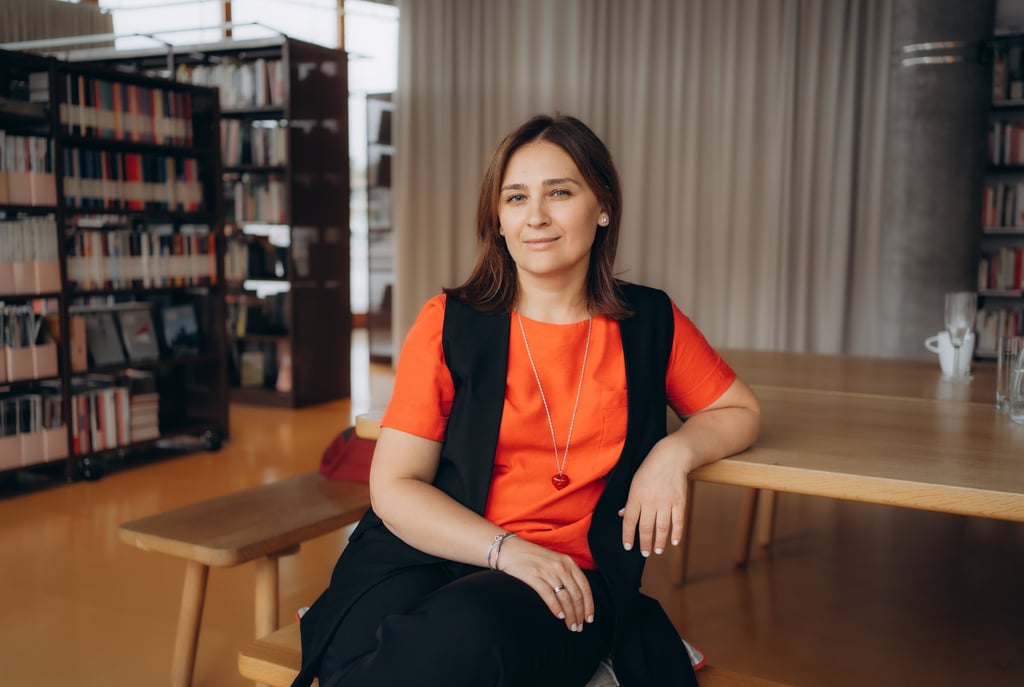
Olena Bekreniova: "The HUB shows how investing in human capital strengthens Austria, Europe, and Ukraine at the same time"
2/3/202613 min read
Behind the HUB is an interview series exploring the people and ideas behind the Professional Integration HUB — a program initiated and funded by ERSTE Foundation and implemented by the European Centre for Freedom and Independence.
In this conversation, we speak with Olena Bekreniova, Co-Founder of the European Centre for Freedom and Independence and Project Manager of the Professional Integration HUB.
In the interview, Olena reflects on building the Centre from scratch, navigating relocation, and turning uncertainty into structured action. She speaks about professional dignity, trust-based partnerships, and the creation of spaces where Ukrainian women can reconnect with their professional identity, build networks, and regain confidence.
She also shares how the Professional Integration HUB emerged as a response to a real need, how the program evolved over three rounds, and why investing in people and communities remains at the core of the Centre’s work.
Intro
Based in Vienna since: 2022
Position: Co-founder of the European Centre for Freedom and Independence; Project Manager of the Professional Integration HUB
Education: Master’s degree in Philology and Pedagogy; Executive Business Education, MIM-Kyiv
Previous experience: Director of the Bohdan Hawrylyshyn Foundation and Bohdan Hawrylyshyn Family Fund (2010–2022); Program Manager of the flagship programs “Young Generation Will Change Ukraine” and “Ukrainian Youth Delegates to the UN”; member of the intergovernmental council for Polish-Ukrainian Youth Exchanges
Hobby: Travel, conversations with inspiring people, handmade crafts, and creating a sense of aesthetics and comfort.
A meaningful book: I Remain a Ukrainian by Bohdan Hawrylyshyn.
Personal story and Founding the Centre
You led the Bohdan Hawrylyshyn Family Foundation for many years, which had a profound impact on the development of Ukrainian civil society. How did this experience help you in establishing a new organisation in Europe?
My long-term work with the Bohdan Hawrylyshyn Foundations was a crucial experience in establishing a new organization in Europe. After many years of professional experience, I have come to understand that organizations are best built on trust, consistency, and values rather than on formal structures alone. I also gained extensive experience in designing and launching programs from scratch, turning ideas into functioning initiatives and scaling them over time.
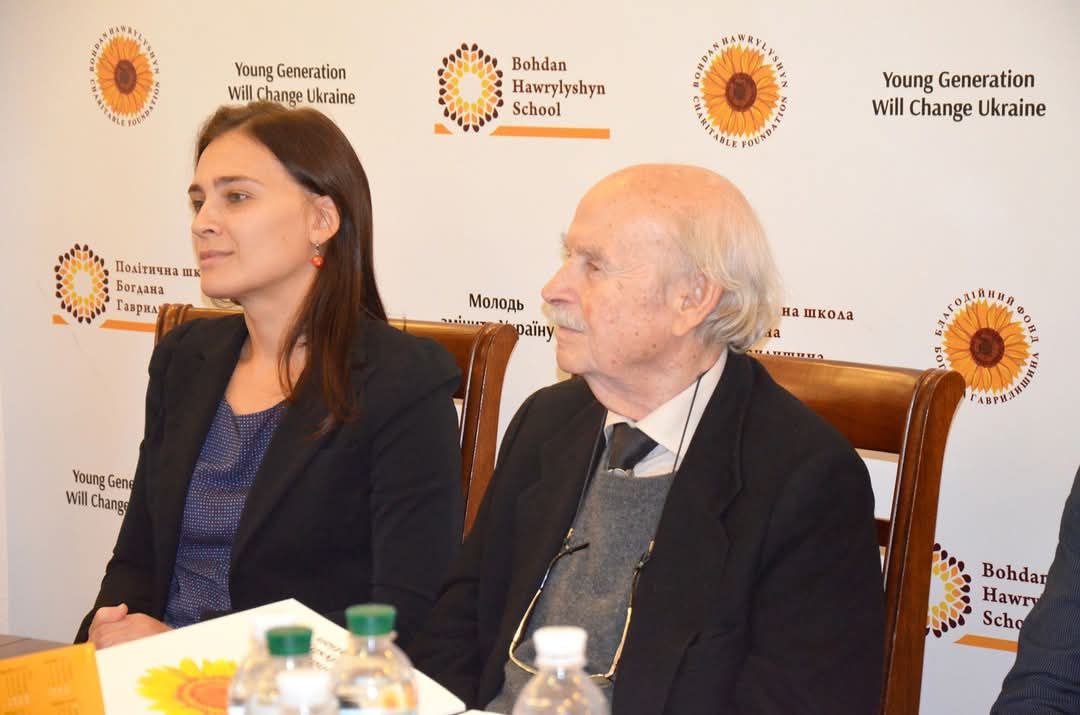
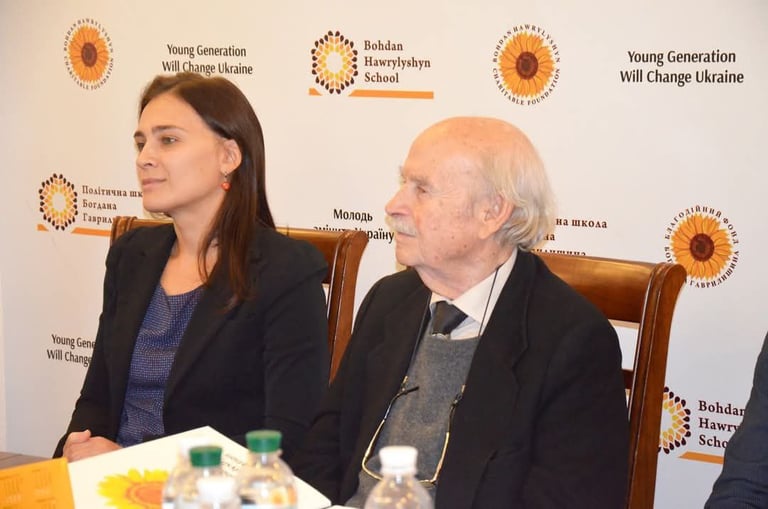
My experience working closely with young professionals and emerging leaders has provided me with a deep understanding of how to unlock human potential through responsibility, empowerment, and high expectations.
"Managing complex programs, cooperating with international partners, and investing in people reinforced my belief that real impact is always systemic and long-term."
This experience enabled me to maintain composure and employ sound strategy, even in situations involving uncertainty. Together with the co-founder, I established the European Centre for Freedom and Independence (EUCFI) not as a reactive initiative, but as a sustainable organization with a clearly defined mission.
After the outbreak of the full-scale war, you moved to Austria. Can you recall the first months after relocation — what was the biggest personal challenge, and how did the idea of the Centre emerge under those circumstances?
Let me start by saying that the decision to relocate was guided by my core value of freedom. It includes the liberty to be a free person, to protect my family, to make my own choices, and to have some control over my life. This value has guided me through challenging periods and helped navigate them at least a bit more smoothly.
Of course, the first months after relocation to Austria were emotionally and psychologically the most difficult. I often describe this period as a pause imposed on life. There was overwhelming uncertainty, constant stress, and a sense of living inside the news from Ukraine, messages about losses, destruction, and a war that had entered my home and my private life.
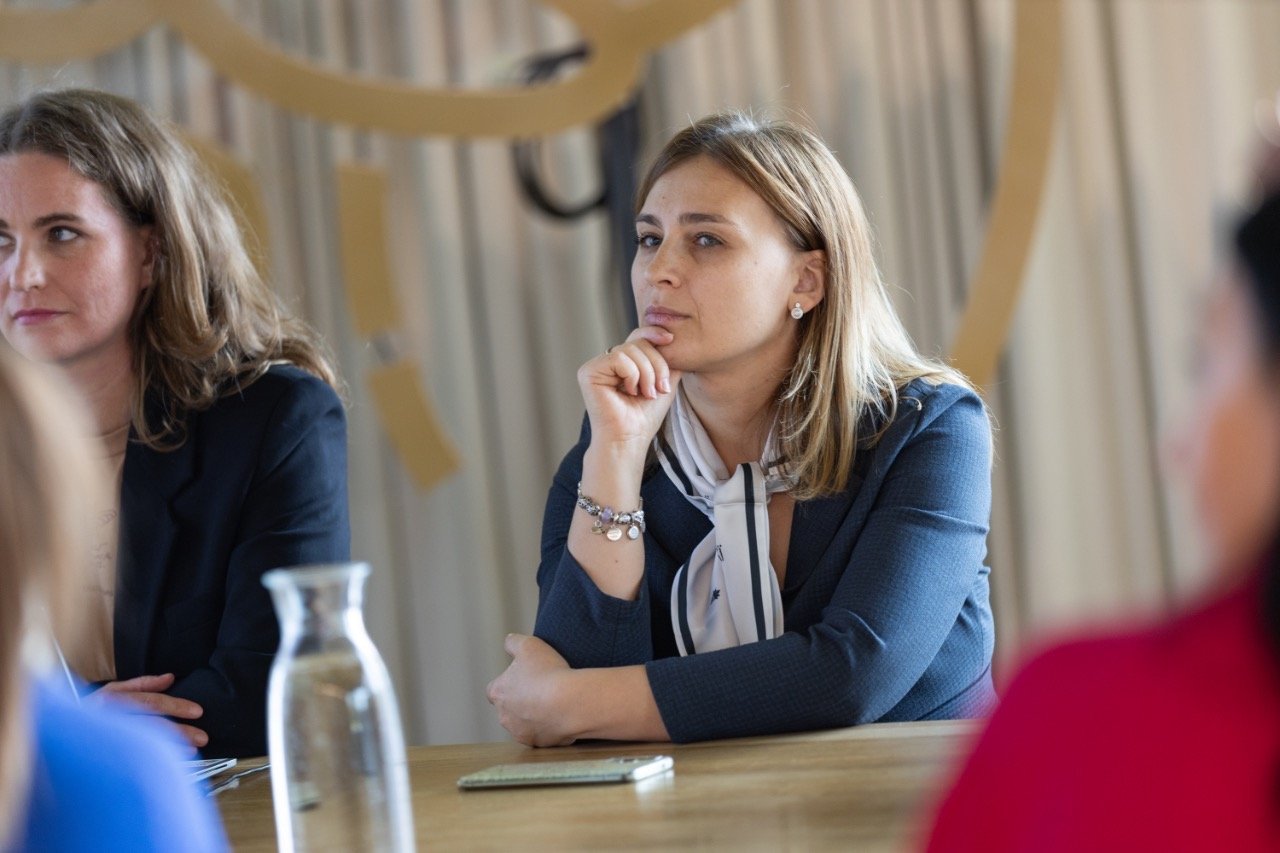
Meanwhile, I had to solve countless practical issues for myself and my family: a new country, a different language, a different system and a set of rules. But the hardest part wasn’t adapting — it was accepting that old mechanisms and familiar scenarios no longer worked.
"At some point I realised: if the environment is entirely new and unknown, then I must create my own meaningful place within it."
That is how the Centre appeared, born from the internal need to contribute my experience and knowledge in helping Ukraine even when the world around felt shattered.
We know about your humorous story related to the AMS job offer. Could you share this episode and explain how it influenced your professional path and what issue it revealed?
One episode that later became almost humorous was a job offer I received through AMS. Despite my professional background, I was offered a position that required no qualifications: it was an offer to start packing frozen fish at a small village plant. While the situation itself was absurd, it clearly revealed a systemic problem: professional experience acquired in Ukraine was simply not “visible” or convertible within the local system.
That moment became an important turning point. It helped crystallise the idea that integration cannot be built on downgrading people, but on recognising, translating, and activating their experience.
What does “integration” mean to you personally? At what point can one truly say they are integrated into a new society?
For me, integration means being able to remain yourself in a new situation. It's not about losing your identity, but about naturally blending your experiences into a new society. Integration is always mutual: when you are seen, and when you genuinely see others.
It is based on curiosity, respect, and the understanding that you not only learn something new, but also bring something valuable with you. For Ukrainians living abroad, it is especially important to remember the richness of our culture, history, and professional experience.
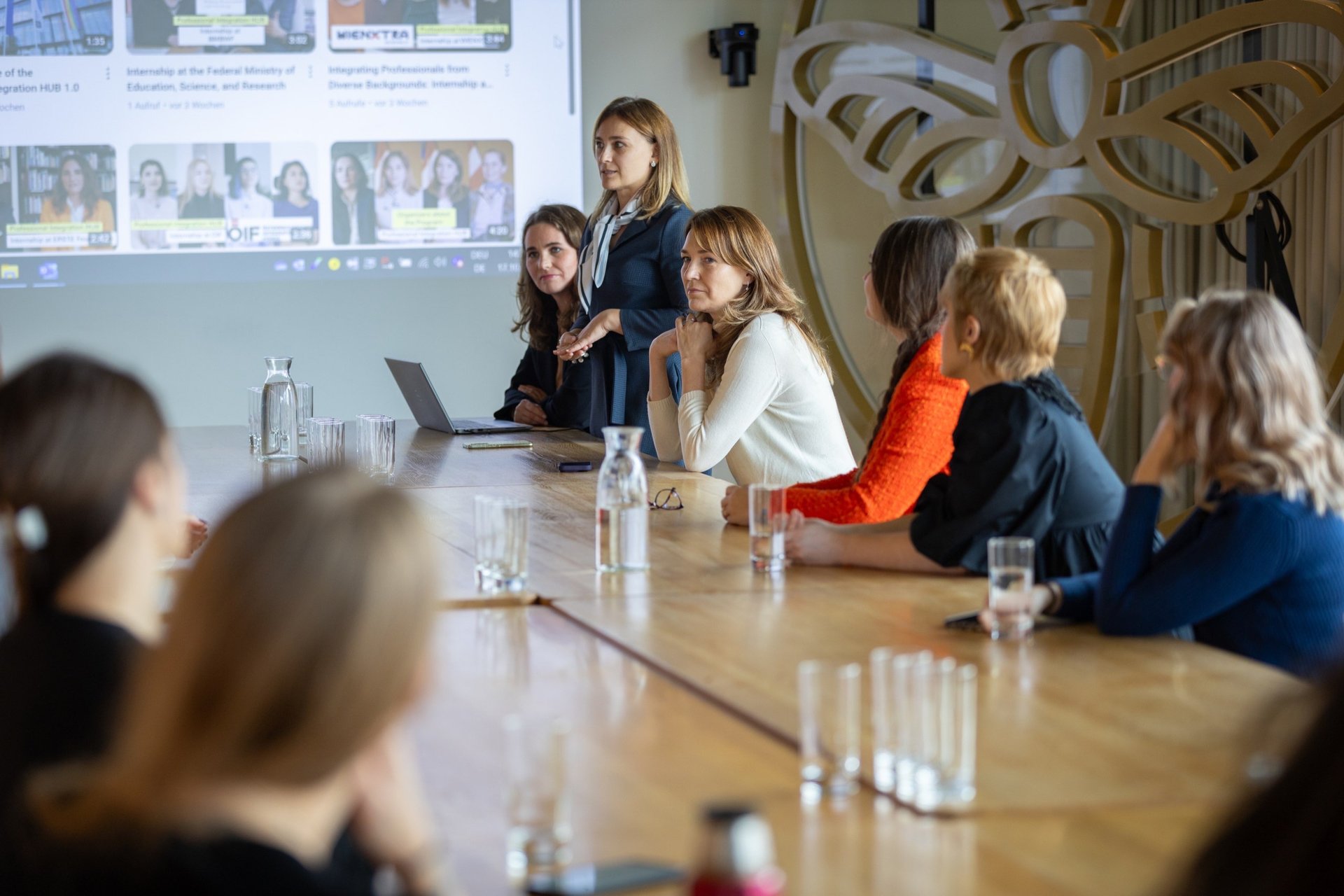
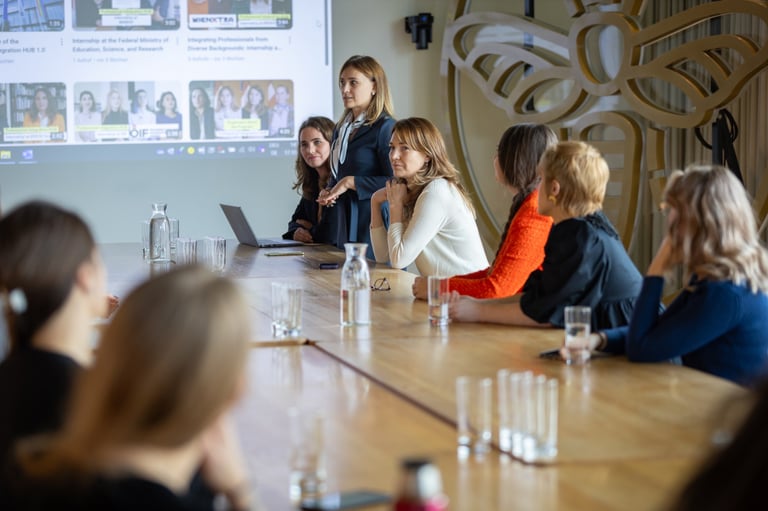
Integration is also about relationships. These relationships start out as warm contacts and eventually grow into friendships, partnerships, and professional collaborations. People from other cultures become close friends and make life more meaningful.
"My integration in Austria happened almost without notice. It was like a bonus that came with my work."
Was there a turning point when you realised that you had adapted not only practically but also mentally?
I was already familiar with living abroad thanks to numerous work trips and a period of work in Geneva. So mental adaptation was less about “getting used to Europe” and more about accepting my new reality and reshaping my life trajectory.
The hardest part was deciding on a professional vector. At some point I realised my path now spans both Ukraine and Austria — two worlds that coexist in my life and enrich one another in both personal and professional lives.
The turning point came when I stopped perceiving my current life as “temporary.” And also when I suddenly realised I now had favourite spots in Austria, favourite routes, and people with whom I genuinely felt at home. That’s when I understood I had become part of this environment.
If you were to rate your integration on a scale from 1 to 10, what would your score be and why?
I would say 7. Vienna is an international city, which makes integration far easier. Most people here are “not locals,” creating an atmosphere of openness. It’s normal to be “in process,” trying, adjusting, learning.
The only challenging part is German. Language opens a completely different level of interaction — with people, with the professional environment, with the culture. But I don’t see it as a barrier; I see it as a key to understanding the country’s history, logic, and way of thinking.
Creation and Development of the Professional Integration HUB
How was the idea of the Professional Integration HUB born, and what role did the Centre play in launching it?
It all started with a simple observation. Together with colleagues, we saw hundreds of highly educated, experienced, and motivated Ukrainian women who arrived in Austria after the full-scale invasion, yet had no real entry point into the European labour market. Their job searches often ended far below their qualifications or led nowhere at all.
This was not a theoretical idea, but a response to a very real need. We understood that what was at stake was not only employment, but the preservation and development of human capital — both for Ukraine and for Europe. Without the right mechanisms, highly qualified professionals risk losing their professional identity and confidence.
When we founded the Centre, we envisioned it as a platform and a bridge between Ukrainian potential and the European professional environment. Creating the HUB became a natural step: a structured way to help Ukrainian specialists regain their professional footing, integrate into local labour markets, and at the same time enrich the European professional community with their expertise, resilience, and perspective.
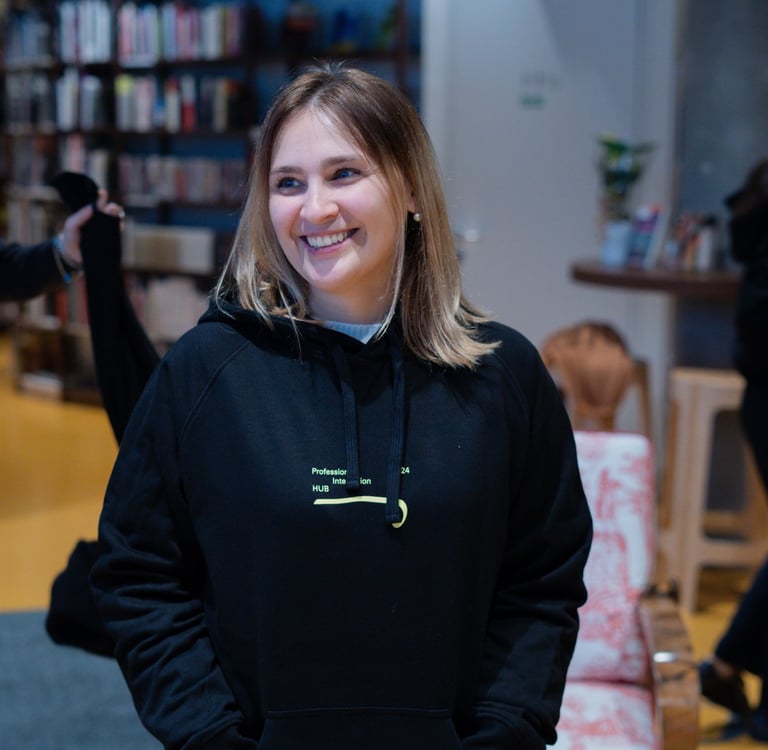
Thinking back to the early days of the program — what were your biggest fears and challenges, and how did you overcome them?
Surprisingly, the biggest fear wasn’t failure, but distrust — whether Austrian partners would support a completely new format, and whether Ukrainian women would believe in it as a real opportunity. Another major challenge was resources. We were launching a pilot program with no precedents in Austria: three-month internships combined with legal compliance, study visits, and community support. Everything had to be built from scratch — from selection mechanisms and legal models to partner onboarding and transparency safeguards.
We overcame this through discipline, flexibility, and, above all, human trust. Partners who were willing to try, participants who believed in us, and a team that worked beyond its limits. Step by step, uncertainty turned into confidence, and those early challenges became the foundation the program stands on today.
Can you recall the first group of participants?
Each cohort of the program was remarkable. With the first round, we received nearly 220 applications for just 13 internship spots — a powerful signal of how enormous the need was. Many applicants were even overqualified for the available roles. Others arrived emotionally exhausted after sending out hundreds of CVs with rejection or complete silence in return.
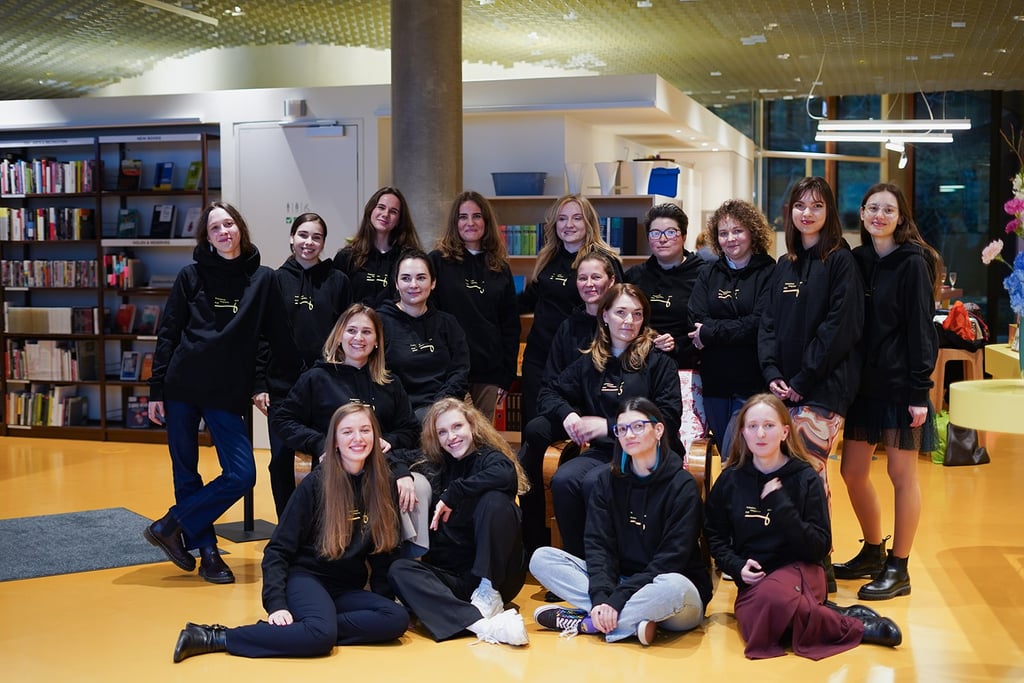
There was a mix of potential and insecurity. Some feared they “wouldn’t manage.” Others thought their experience “was useless here.” But each of them had a strong desire to move forward despite fear.
In 2023, we all lacked understanding of how the Austrian labour market worked. Everything felt new — the system, expectations, processes. Many missed professional communication and a sense of belonging.
"That is why the HUB became more than an internship program — it became a space for rebuilding confidence and reconnecting with one’s professional identity."
What feedback has stayed with you the most?
One participant once said: “For the first time in two years, I stopped feeling like a displaced person and felt like a professional again.” That was the moment I knew the HUB was unquestionably needed.
How is the HUB perceived in the broader professional community?
At the beginning, we were seen as an “interesting initiative.” Today, we are part of Austria’s integration conversation. Partners now approach us themselves, propose collaborations, and open doors.
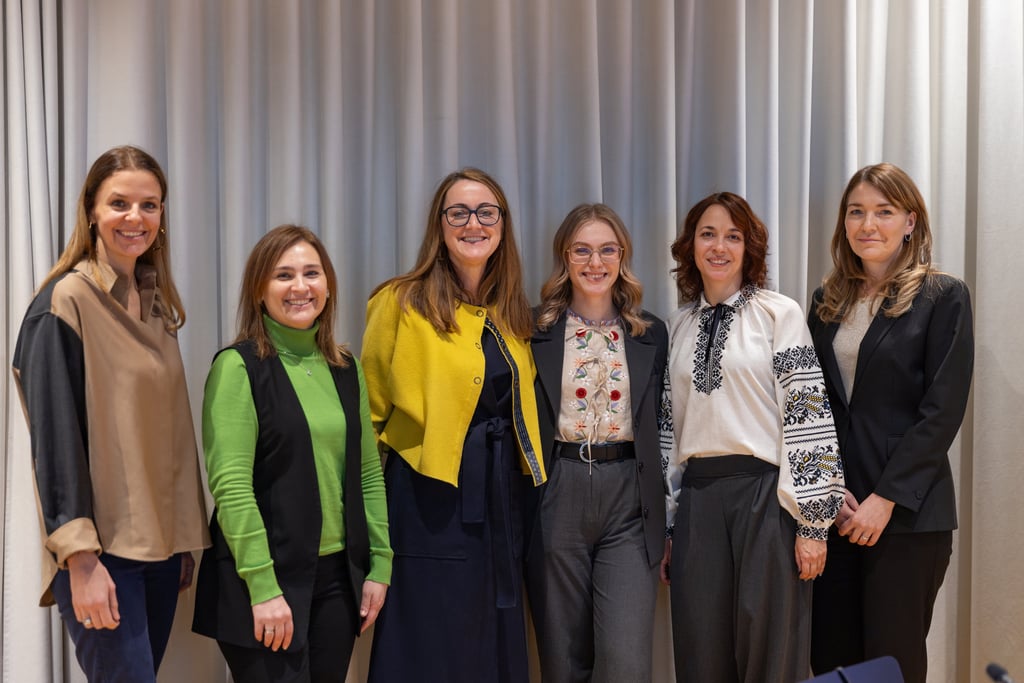
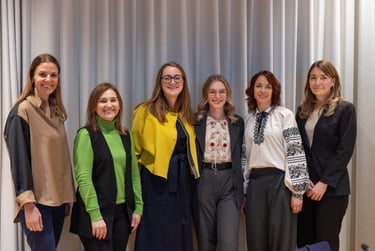
There is also growing recognition that the expert network formed through the HUB and the bridges built between Austrian and Ukrainian professional communities can play an important role in Ukraine’s recovery and EU integration trajectory.
In your opinion, what is the core value of the HUB?
For the participants — the return of professional dignity. For Austrian partners — access to exceptionally motivated, competent talent that contributes rather than learns. For Ukraine — experts who strengthen the country’s image, promote its EU integration and hopefully will play an important role in Ukraine’s future recovery.
The Centre and Integration
When did you feel the Centre had begun generating real impact?
It was the moment when we received the first feedback from hosting partners and stories of successful internships and employment contracts. Not statistics but stories. A woman who once believed her experience “didn’t convert” into the European context sharing news about her first Austrian job. Another told us she became part of a team after her internship. That was a quiet but powerful moment of: “We did it. It works. And it changes lives.”
Later, our programs began to be recommended by federal ministries, state agencies, social partners, and civil society organisations — a strong sign of trust and recognition.
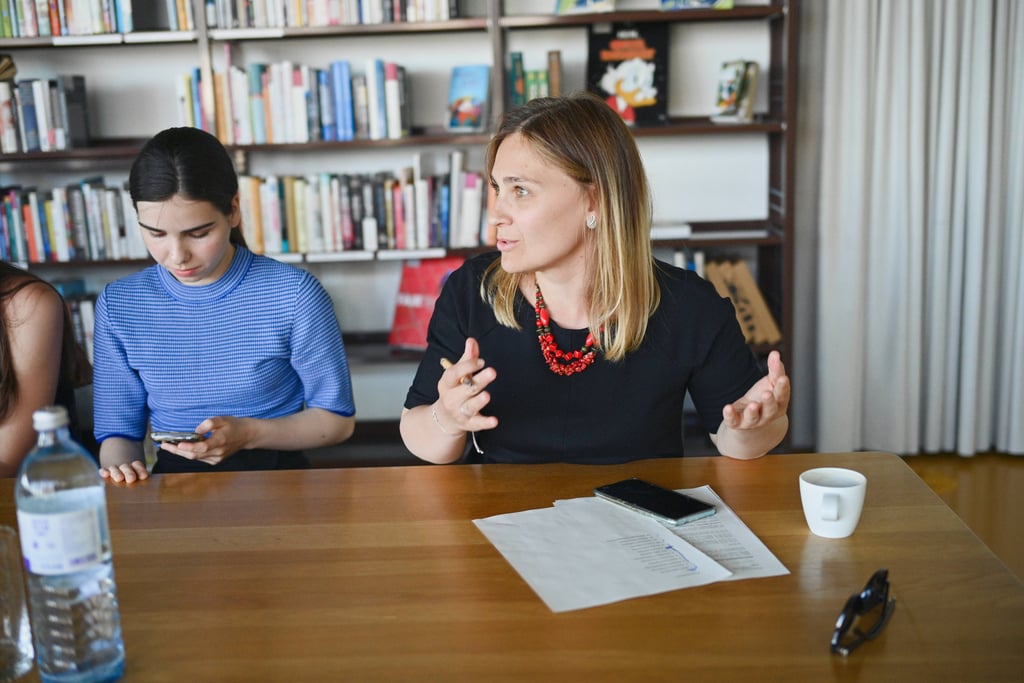
Have you ever wanted to give up? What helped you stay focused?
Building an organisation and launching new programs in a foreign country is always at the limit of one’s abilities. Resources were sometimes exhausted faster than tasks. Systems were slower than our needs. Responsibility felt overwhelming — because we work with people’s hopes and career paths. But something always pulled me back: the team, partners, participants. Their trust and motivation became the force that kept me moving.
What other projects are part of the Centre’s portfolio?
Alongside the Professional Integration HUB, we develop initiatives that strengthen professional, social, and institutional capacity of the Ukrainian community in Europe. A major part is non-formal education and competency building — study visits, educational programs, and exposure to European best practices that can be adapted for Ukraine.
We work with youth and community development as well: Youth Work with Displaced Ukrainian Youth, Re:Generation Open Doors (with Younia), and our growing YOU!Community.
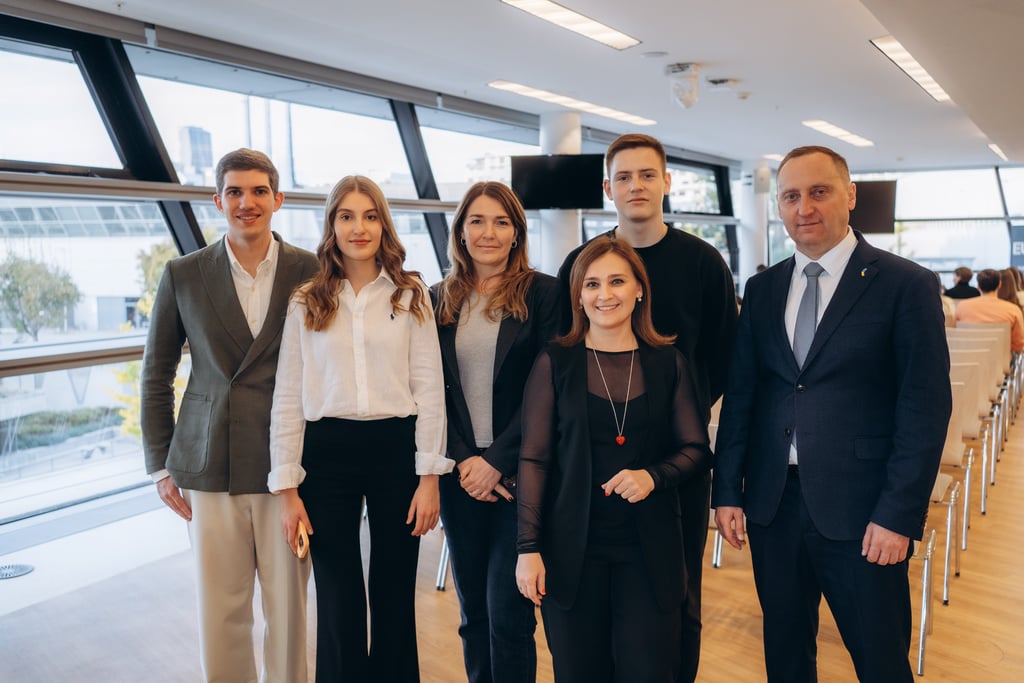
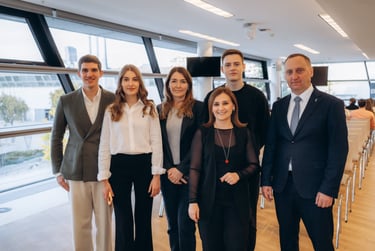
Language support is another essential area — Match German Course and Samstag Deutsch Club.
At the strategic level, we engage in advocacy and analytical work, convening stakeholders and advising organisations that wish to build partnerships with Ukraine or invest in recovery.
How do you envision the Centre’s growth in the coming years?
We aim to scale the HUB, expand our program portfolio into new professional sectors. The Centre grows through partnerships, so we are open to new ideas and collaborations.
Community of Ukrainian Professionals
What are the three main challenges you see today in the professional integration of Ukrainian women abroad?
Recognition of professional experience, access to networks, and rebuilding confidence remain key challenges. Over time, the need for belonging and a circle of like-minded people has become as important as formal integration.
You work with Ukrainian women from various fields — from public service to marketing. What unites them?
What unites them is a deep sense of responsibility and a desire to stay active and independent, even in difficult circumstances. They all share resilience, high professionalism, and the readiness to learn and adapt.
"And most importantly, they have a clear sense of dignity — they want to work not only to survive, but to maintain their identity and professional value."
In your opinion, what can Ukrainian professionals contribute to Europe, and what does Europe give them in return?
Ukrainian professionals bring strong work ethic, creativity, speed, flexibility, and experience in working under pressure. They are used to building solutions in uncertainty, which is a valuable skill in any modern workplace. Beyond skills, they bring cultural depth, responsibility, and a powerful motivation to contribute meaningfully.
Europe, in turn, offers stability, a long-term strategic perspective and professional standards, and a framework where this talent can grow and be recognized.
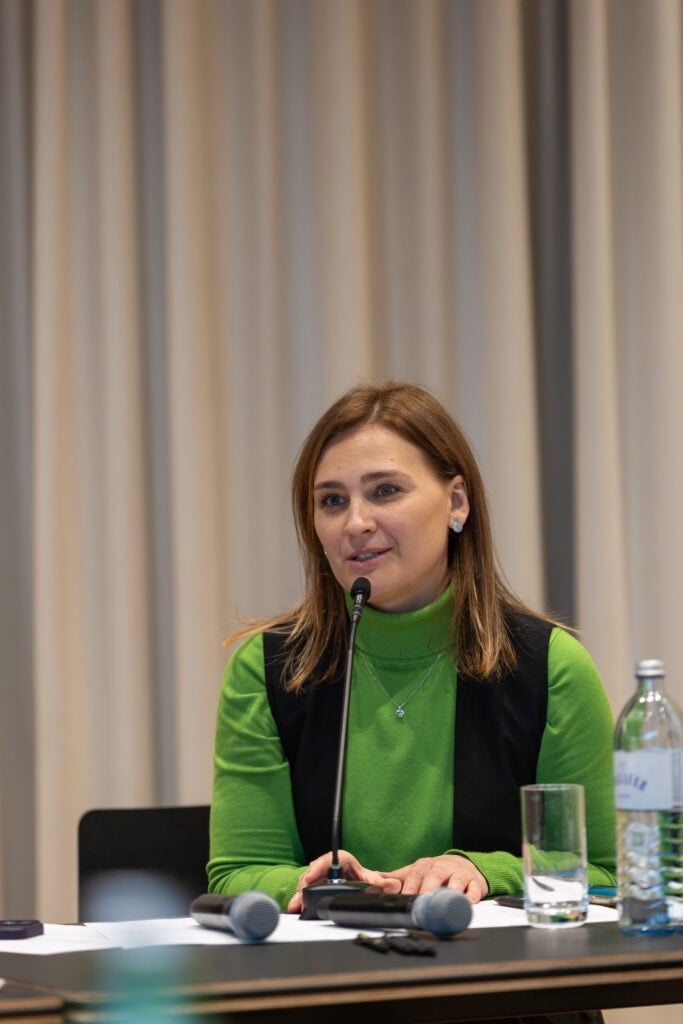
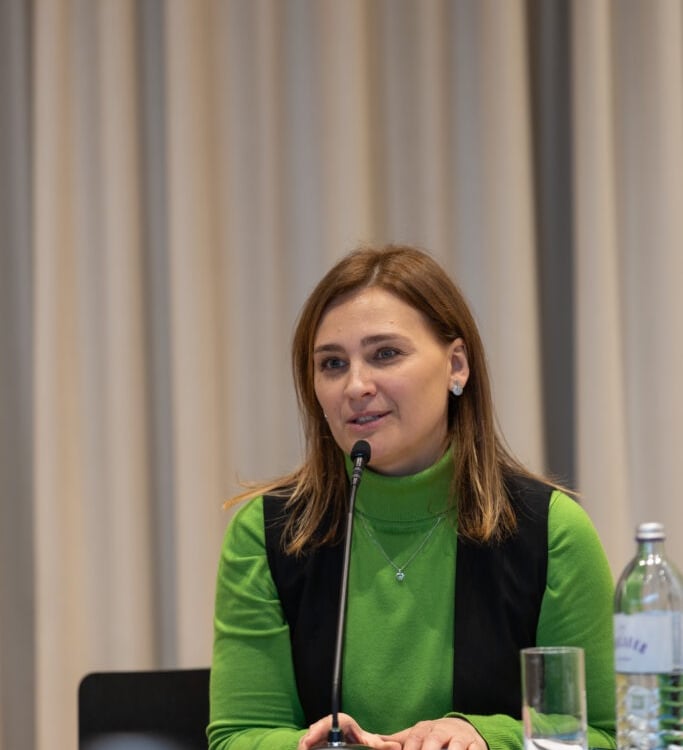
What role can programs like this play in encouraging Ukrainian professionals to return home?
Programs like the HUB create a bridge between two realities. They help professionals stay active and relevant in Europe while keeping their Ukrainian identity and professional purpose alive. This strengthens the potential for future return because people do not lose their professional skills or confidence abroad. Instead, they gain experience, new standards, and networks that can later be used in Ukraine. In that sense, such programs are not just about integration — they are about preserving and enhancing human capital for Ukraine’s future while bringing benefits to the European professional community.
The Centre is now developing YOU!Community. Could you describe the key challenges you face on this path? What needs of Ukrainian women abroad are coming to the forefront in the fourth year of full-scale war — is it primarily integration or the search for a like-minded circle?
Developing YOU!Community means building not only a network, but a real support system — a space where Ukrainian women can share experiences, support each other, and grow together professionally and personally. One key challenge is the diversity of needs: some women are looking for professional integration, others for emotional support, and others for a sense of belonging.
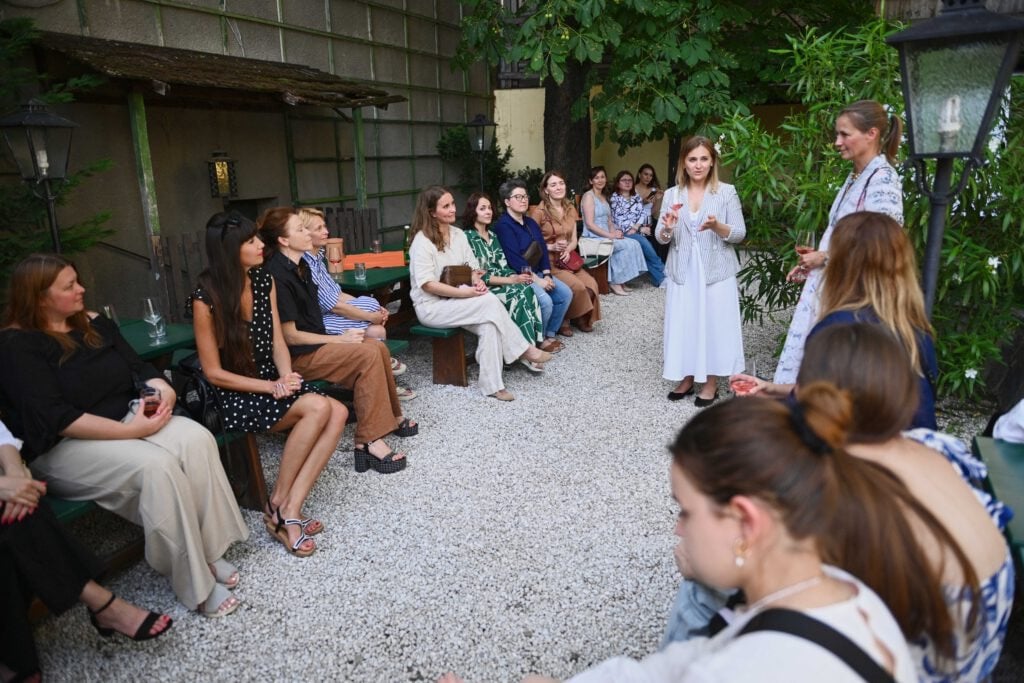
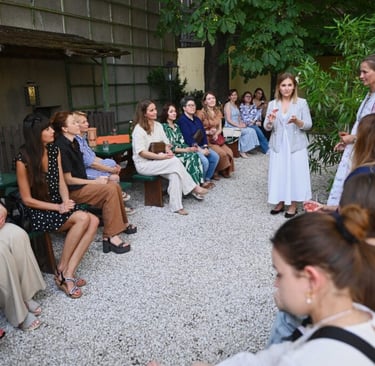
In the fourth year of war, the need for community has become as important as the need for integration. People want to belong, to feel seen, and to connect with others who understand their experience. At the same time, they still need professional pathways, stability, and opportunities. YOU!Community aims to combine both: integration and community, support and development, connection and professional growth.
Personal Reflections
What has been your main source of support during relocation and a new professional start?
My strongest source of support has been my family, my friends, and the team with whom we are building EUCFI.
How do you maintain inner balance in an environment of constant responsibility and emotional intensity?
In my experience, achieving inner balance can be found in simple, authentic activities. Spending time with my children, enjoying a quiet cup of coffee, traveling, driving, listening to music, photographing nature, decorating my space, or baking a cake. These activities, which I find personally fulfilling, contribute to a sense of inner peace without any specific purpose. Allowing myself to pause and reflect helps restore clarity and calm.
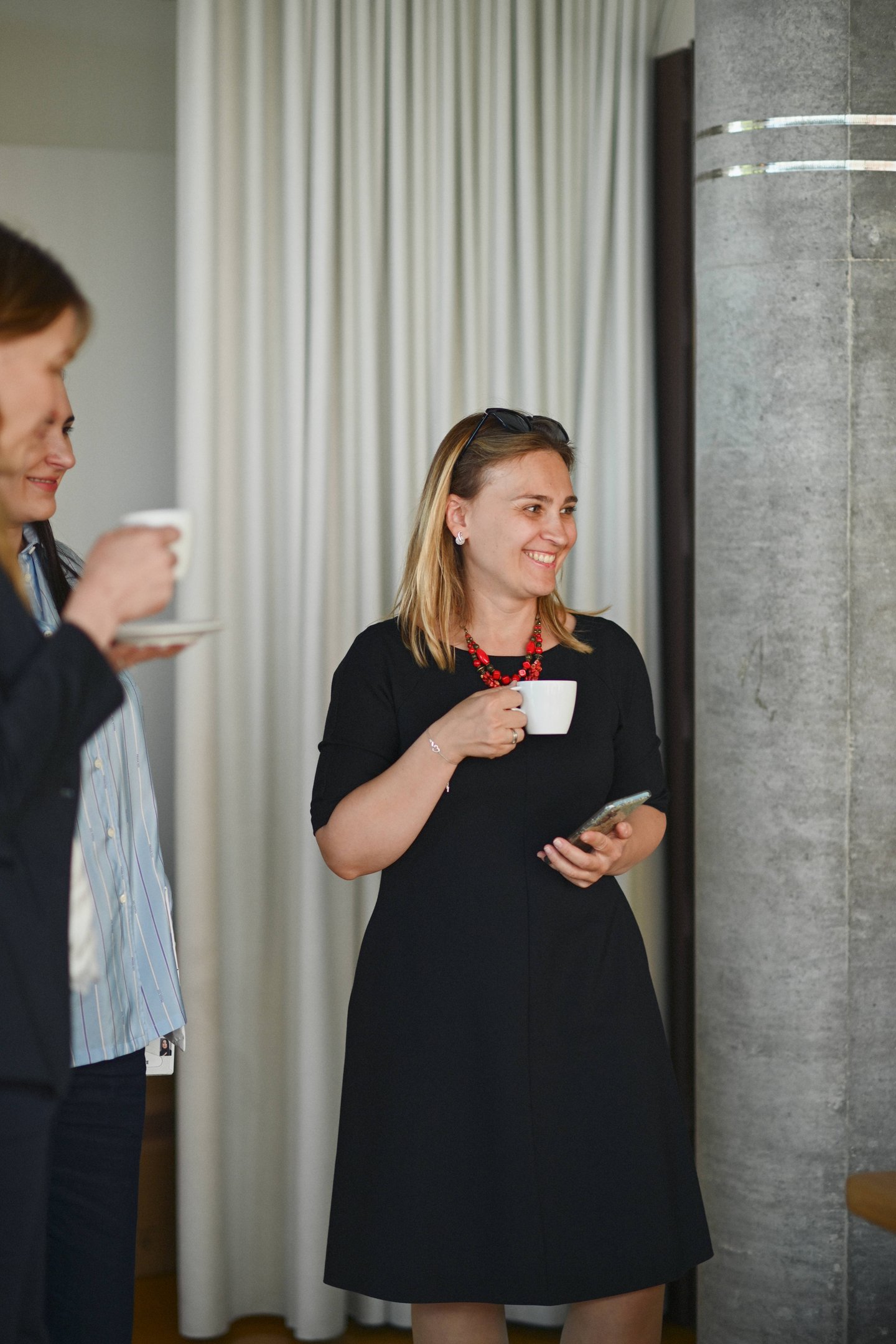

Another essential source of balance is meaningful work. When I see that our work at the Centre generates real opportunities, delivers concrete results, and improves the quality of life for others, it provides me with a great sense of fulfillment. My personal stability is founded on two pillars: small, grounding moments that bring peace, and a larger sense of purpose that gives energy and direction.
What does the Professional Integration HUB mean to you personally?
For me, the HUB is about transformation and the creation of new professional communities that benefit society as a whole. It shows how investing in human capital strengthens Austria, Europe, and Ukraine at the same time.
Read also:
info@eucfi.org
+43 660 9604942


The European Centre for Freedom and Independence